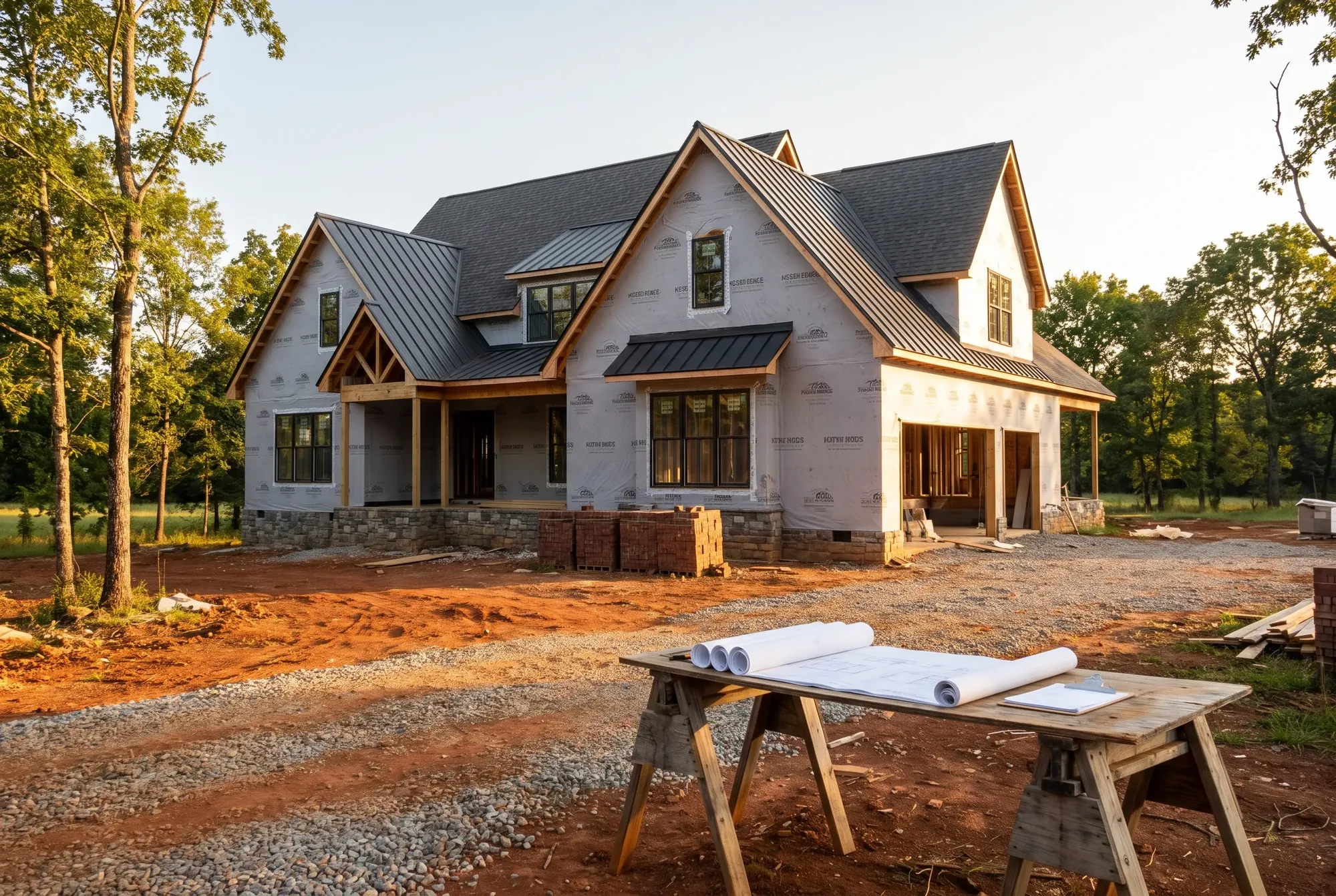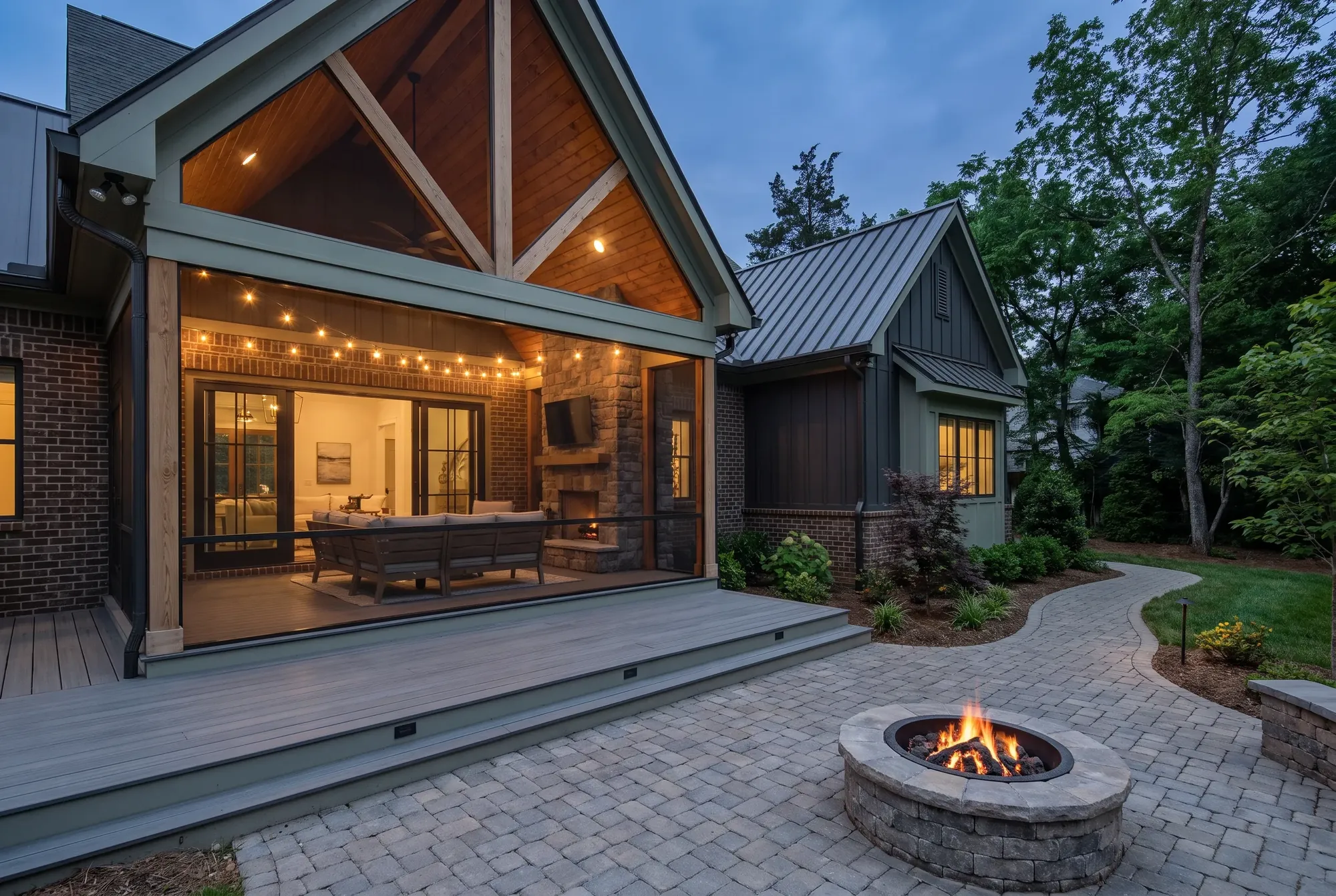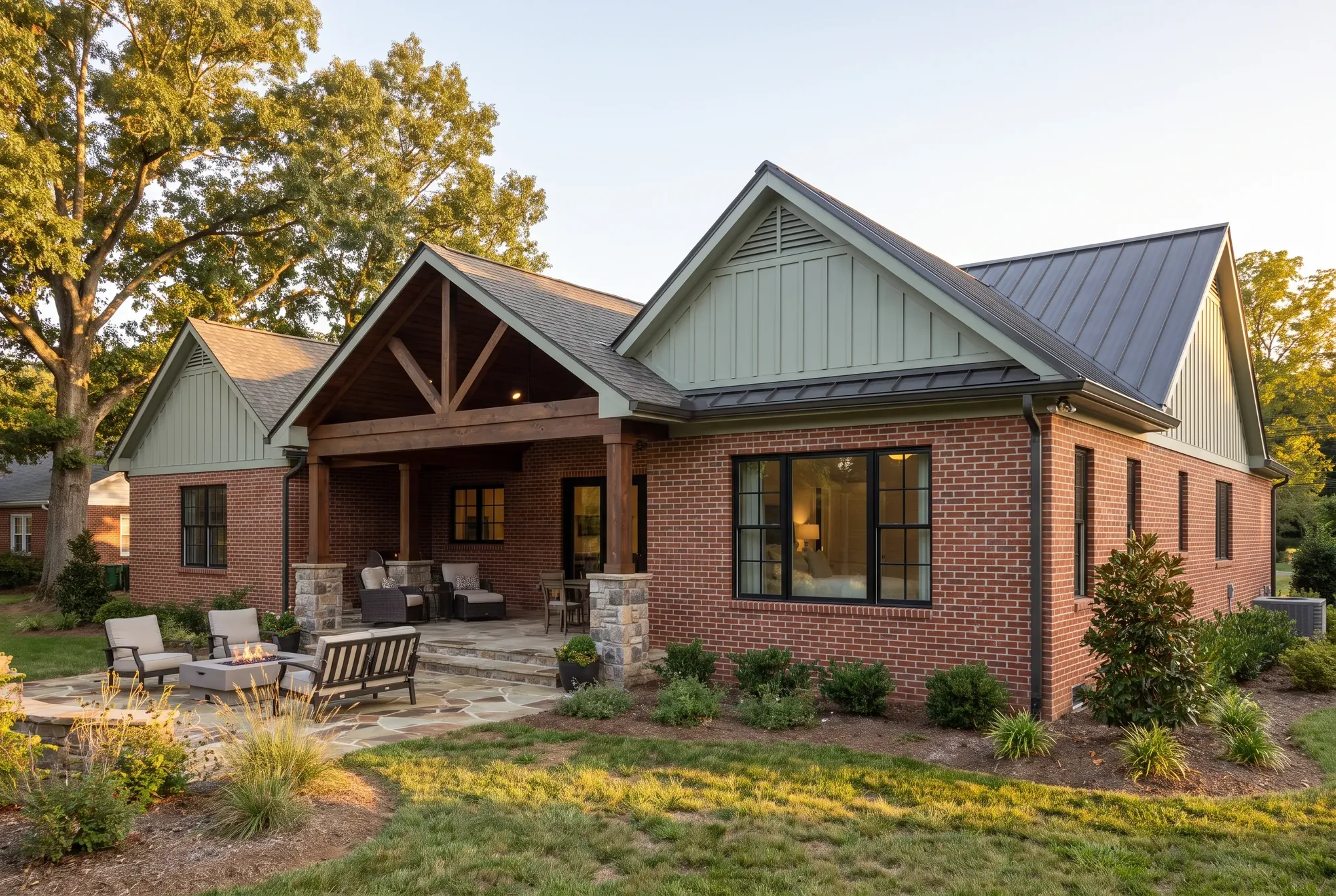
When the house you love is one room short, you have two choices: move, or add on. In the Nashville market of 2026 — with mortgage rates well above the ones most owners locked in — adding on wins more often than it used to. The numbers: a ground-level addition in Middle Tennessee typically costs $250 to $450 per square foot, a bedroom and closet at the low end and a primary suite with a full bath at the high end. A second-story addition costs more per foot, because the existing roof comes off and the structure below is reinforced, but it keeps the yard and can double the house. Here is how to think it through.
What additions cost, by type
| Addition | Typical Nashville-area range (2026) | Notes |
|---|---|---|
| Bedroom or office, ground level (300–400 sq ft) | $85,000–$150,000 | Simple structure, no plumbing |
| Primary suite with bath (500–700 sq ft) | $175,000–$300,000 | Bath, closet, HVAC extension |
| Sunroom or four-season room (250–350 sq ft) | $60,000–$120,000 | Glass, insulation, conditioning |
| Second-story addition over the whole house | $300,000–$600,000+ | Roof removal, structural reinforcement, stairs |
| Bonus room over a garage | $100,000–$180,000 | Depends on existing garage framing |
| In-law suite with kitchenette (600–800 sq ft) | $200,000–$350,000 | Bath, kitchenette, separate entry |
Every one of these depends on the house it attaches to. Matching a 1970s brick, tying into a complicated roof, extending a septic system or upgrading an electrical panel that is already full can each add five figures. That is why we walk the house before we quote it.
Adding on vs. moving: the real comparison
Moving costs more than people count: roughly 6 to 8 percent of the sale price in commissions and closing costs on both ends, the difference between your current mortgage rate and today’s, and the cost of making the new house yours. On a $600,000 home, the transaction costs alone approach $50,000 before you have gained a single square foot. An addition puts every dollar into the house — and into an address, a school zone and neighbors you already chose. Moving wins when the lot, the location or the structure genuinely will not support what you need.
“The whole project went smoothly, and we couldn’t be happier with how our new porch turned out.”
Which additions add the most value
Appraisers value finished, permitted, heated square footage — so a primary suite, an extra bedroom and bath, or a second story adds more than a sunroom or a screened porch, though buyers love those too. In Nashville-area neighborhoods where three-bedroom homes sit beside four-bedroom ones, adding the fourth bedroom and a bath often moves the house into a different price tier. Additions that match the house — same brick, same window style, roofline that reads as original — appraise and sell better than obvious bolt-ons.
Timelines and permits
Design, engineering and permitting take four to eight weeks; construction takes two to four months for a single-room addition and four to six months for a second story or primary suite. Every addition needs a building permit, and most need electrical, plumbing and mechanical permits, from Metro Nashville or the relevant city or county office. Subdivisions with an HOA typically require architectural approval as well. We prepare drawings, submit the applications and meet the inspectors.
Questions to answer before you add on
- Setbacks and lot coverage. Is there room on the lot, legally, for the addition where you want it?
- Septic. If you are not on sewer, a bedroom addition may require a septic evaluation and upgrade.
- Structure. Can the foundation and walls carry a second story? An engineer answers this before drawings start.
- Systems. Will the HVAC handle the new space, or does it need a second unit? Is the electrical panel full?
- Matching. Can the brick, siding, windows and roofing be matched, and if not, how will the transition be designed?
We answer all five at a free site visit. Our home additions page has more on how the work runs.